[This content was created with support from the brand.]
[Worried About Elementary Reading Comprehension?] How to Start Personalized Reading Education for Your Child
Your child may be able to read the words on the page after starting elementary school,
but still struggle to truly understand what they read
or explain the story clearly afterward.
That’s a concern many parents share.
If you ask about a book and your child hesitates,
keeps choosing the same kinds of books over and over,
or loses focus after reading only a little,
it may not simply be a matter of not reading enough.
It could be a sign of weak elementary reading comprehension.
Recently, reading comprehension has been mentioned often
as a key reason behind gaps in Korean language grades and vocabulary skills in elementary school.
Even in online parenting communities,
more and more parents are posting about reading comprehension concerns in the lower elementary years,
which is exactly why checking your child’s current reading level
through the right reading education approach matters so much.
Many parents choose elementary recommended reading lists
or grade-by-grade book lists based only on school year,
but it’s important to remember that
grade level and actual reading ability do not always match.
In other words, if you hand your child books that are too difficult for their real level,
they can quickly lose interest,
and that can backfire by pushing them away from reading altogether.
So if you want your child to feel successful
and stay engaged through an entire book,
you need a reading education process
that accurately identifies their true reading level and connects them with books that fit.
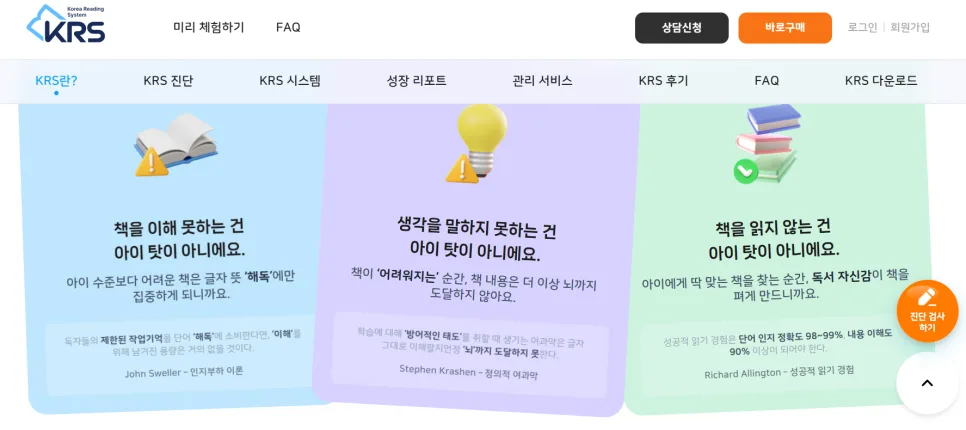
Starting with books at the right level
is how elementary reading comprehension grows naturally.
Every child has different reading habits, personality traits, and preferences,
which is why a multidimensional reading assessment
based on more than just grade level
has become one of the most important steps in improving reading habits today.
So what should parents do?
That’s the question many people ask.
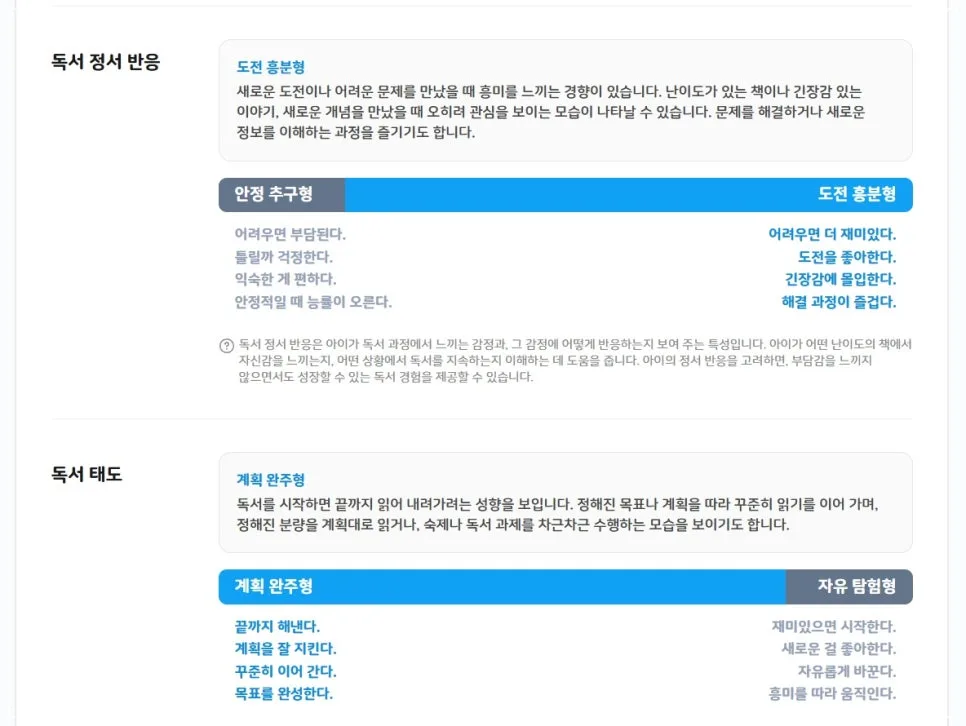
The answer is actually simple.
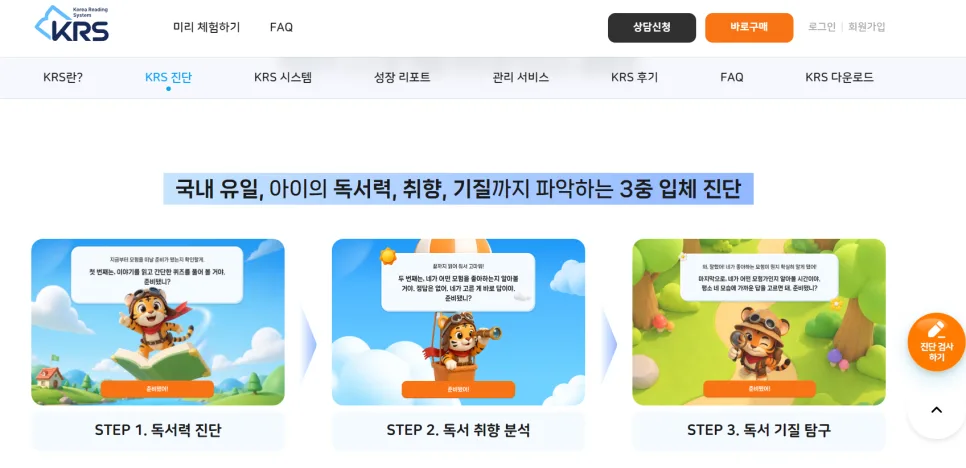
Look for a program that evaluates both reading ability and interest,
recommends books tailored to your child,
and helps set an effective direction for reading education.
That’s why KRS (Korea Reading System) has been getting attention.
In other words, KRS is one of the specialized solutions
designed to build a strong foundation in elementary reading comprehension.
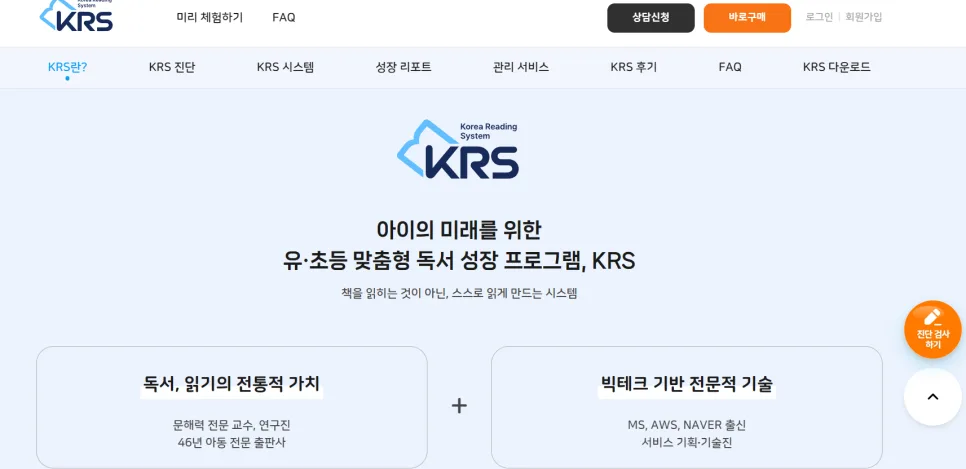
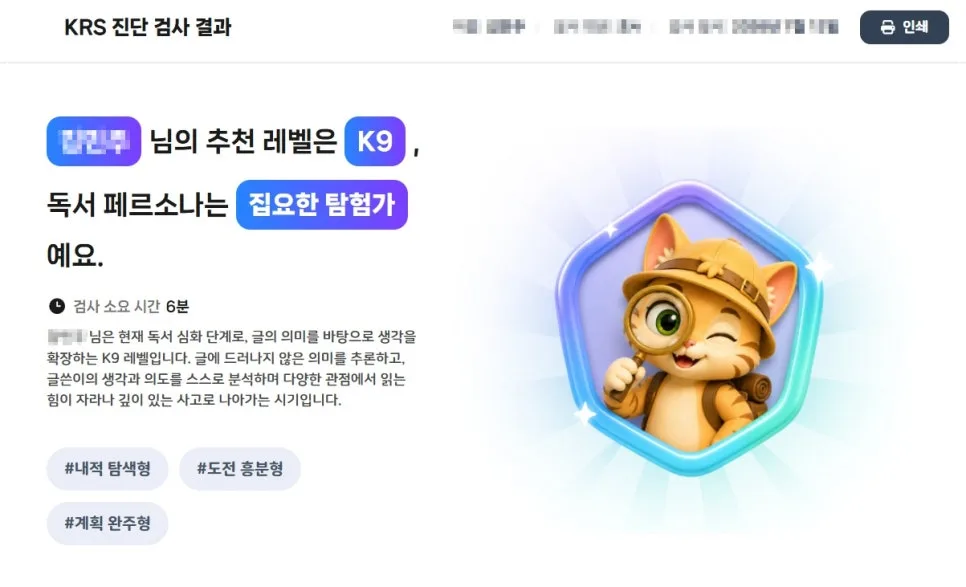
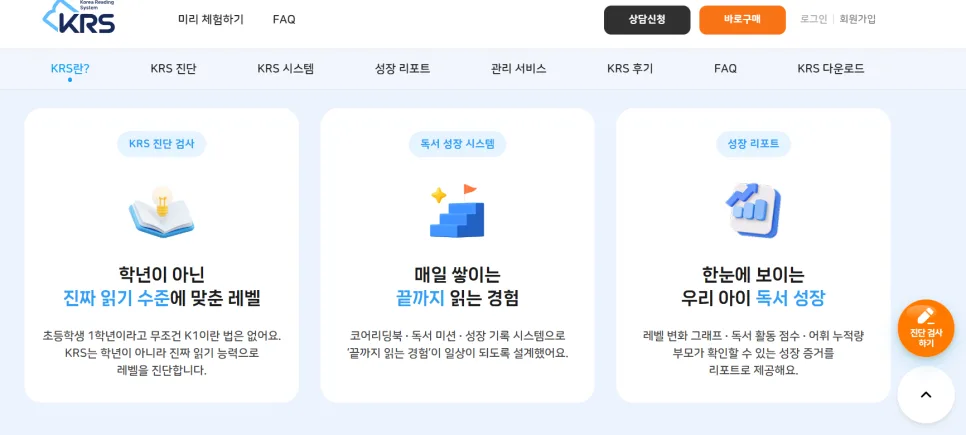
KRS is a personalized reading growth platform for preschool and elementary students.
Through its own diagnostic assessment,
it accurately measures reading level
across 12 stages, from K1 to K12.
Because it calculates a level based on actual reading performance,
it helps families choose elementary books their child can read without feeling overwhelmed,
while also making at-home reading education more effective.
It doesn’t stop at reading ability, either.
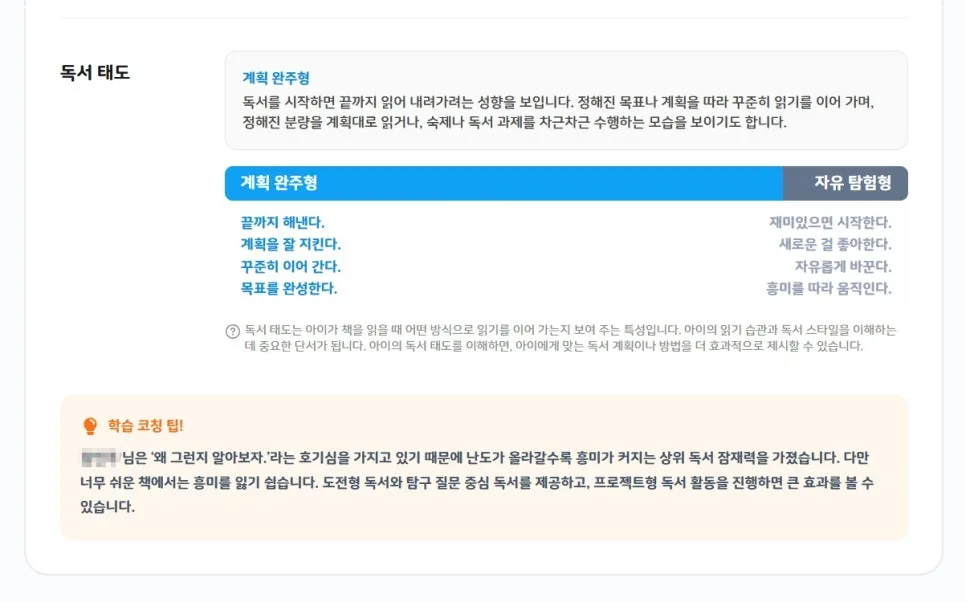
KRS also analyzes reading preferences and temperament
across eight different types to help match each child with the right books.
That makes it effective for building reading habits,
and it naturally supports stronger elementary reading comprehension.
The KRS reading process is divided into four main stages:
diagnosis, training, real-world practice, and growth.
Core Reading Books
Children build confidence with texts matched to their reading level,
laying the groundwork for elementary reading comprehension.
Curriculum Schema Books
These reading education activities strengthen vocabulary and comprehension
through curriculum-linked background knowledge and practice with longer texts.
AI Recommended Reading
Personalized book recommendations based on reading history and preferences
help children discover the joy of reading.
KRS Library
With more than 3,000 recommended books, it provides a structured reading education environment
that helps children build rich background knowledge.
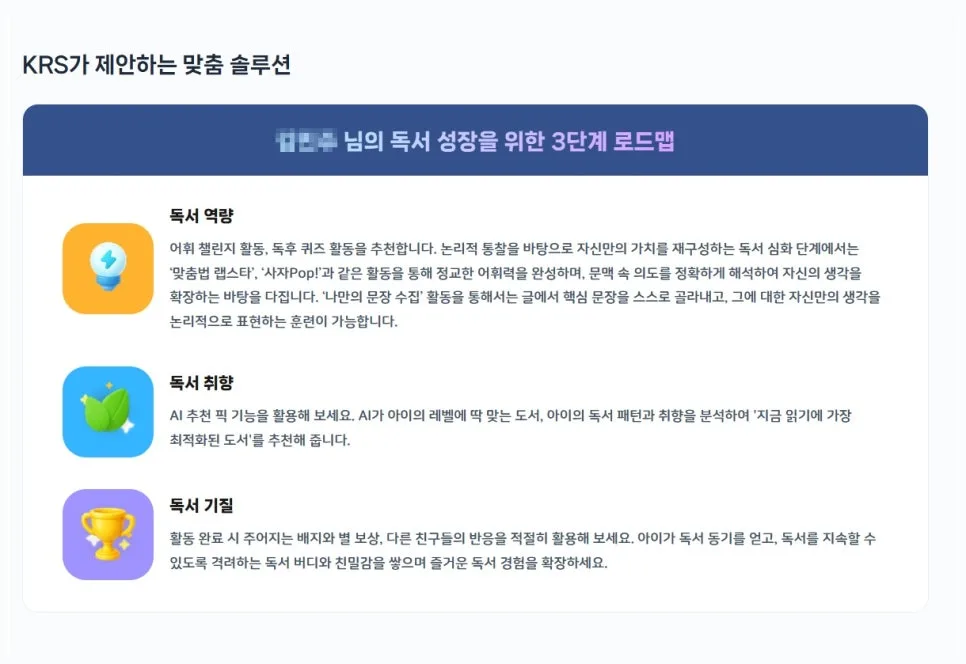
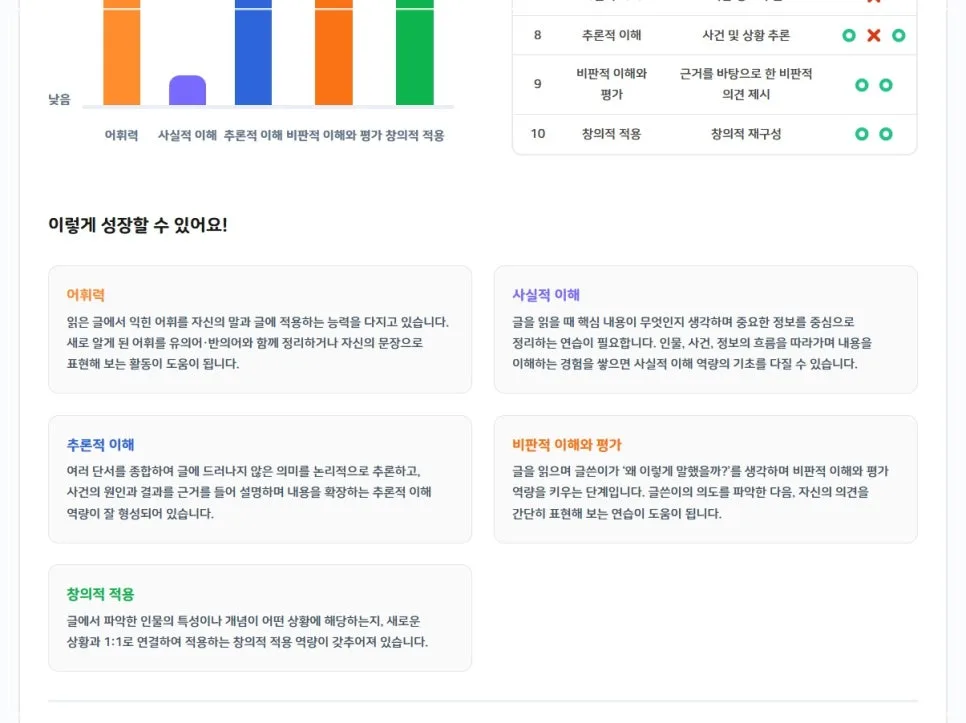
On top of that, growth reports let you see level changes,
reading trends, and cumulative vocabulary growth at a glance,
so systematic elementary reading education and elementary reading comprehension management
become much easier to handle.
Most importantly, the real question is not how many books your child has read,
but whether they understood the book properly and finished it with focus.
That’s why it’s important to check your child’s current reading ability
through a literacy diagnosis and reading assessment,
then connect them with the right books and a structured reading education program.
That is where the right approach to elementary reading comprehension begins.
If you want to build a personalized reading education plan,
I recommend trying the free KRS diagnostic assessment.
I’ve included the link below, so you can
check a reading assessment designed to support your child’s elementary reading comprehension growth,
starting right now,
and help them build healthy, lasting reading habits.
Go to the KRS Free Diagnostic Assessment